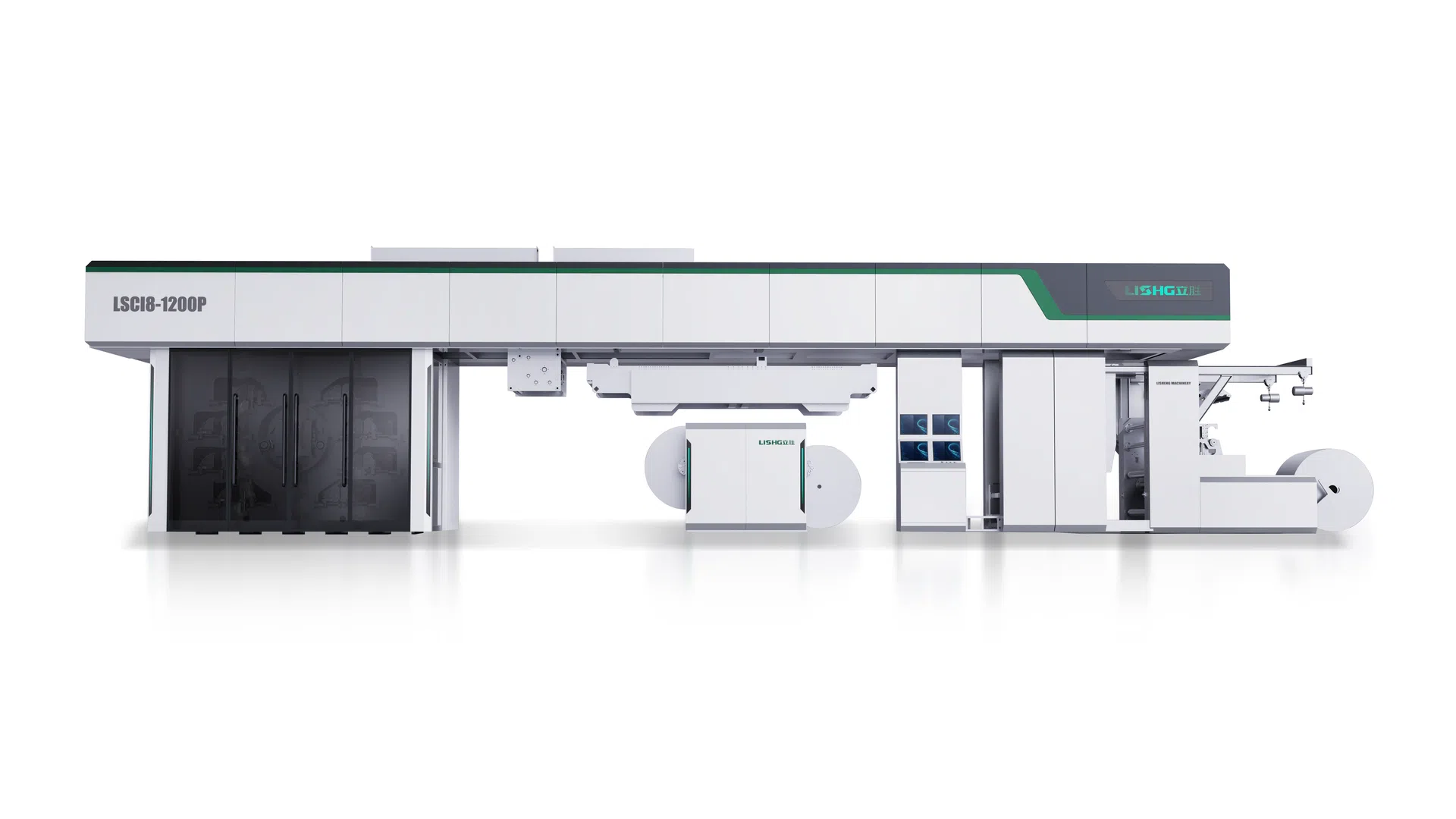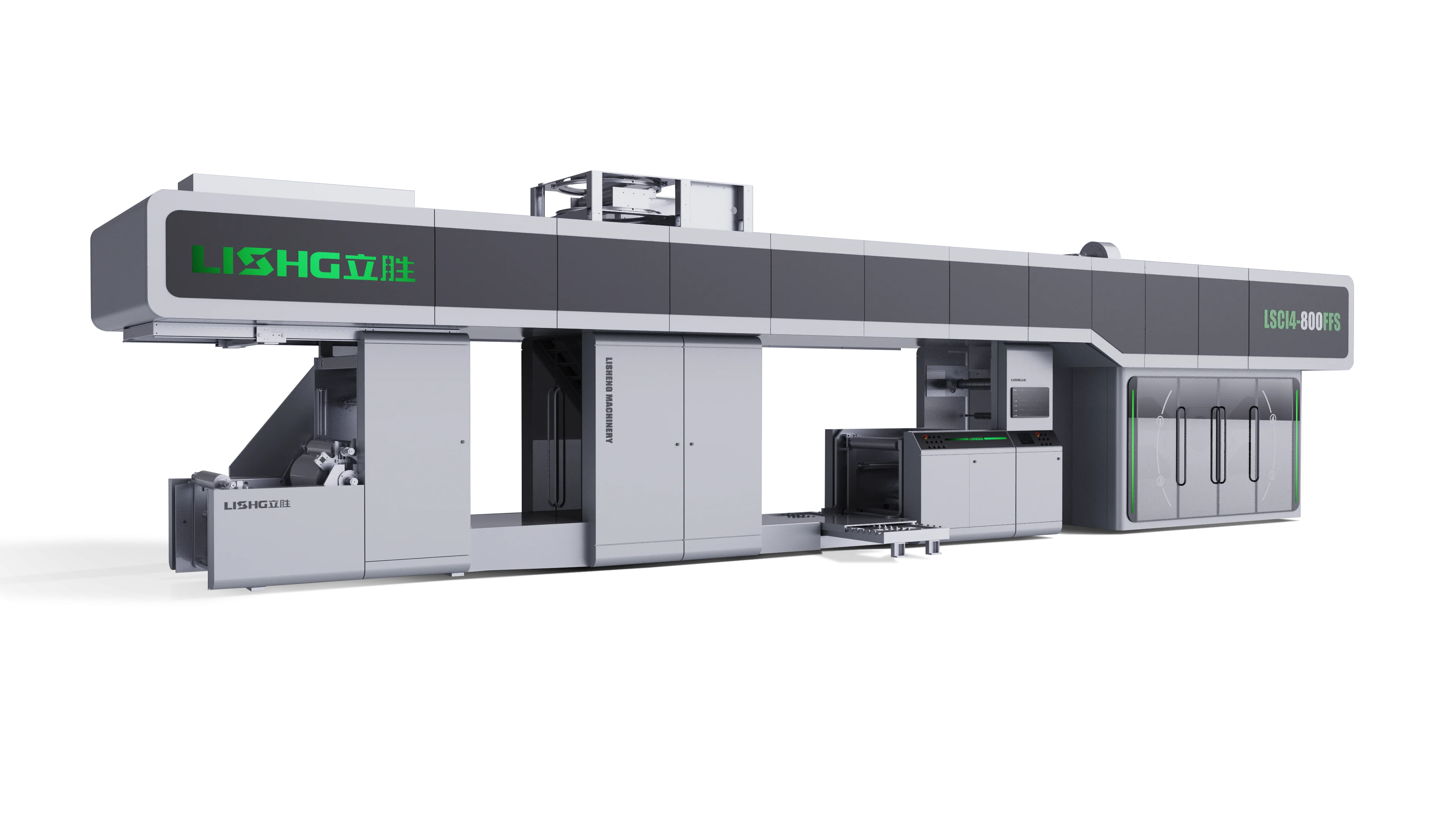
LISHG Flexo Press Selection Guide · Buyer Guide
Choosing the Right Flexo Press: A Practical Buyer's Guide
As a flexographic printing machine manufacturer, LISHG understands that selecting the right press configuration is a production decision, not simply an equipment purchase.
Choosing the right flexo press is one of the most important decisions for packaging converters. The wrong configuration can create unnecessary production costs, limited material capability, or reduced efficiency—so the decision should start with production requirements, not brand comparison alone.
Application → Recommended Press
LISHG maps common packaging needs to clear press platforms so buyers can compare configurations quickly:
| Application | Recommended Press |
|---|---|
| Flexible packaging film | MASTER Gearless CI Flexo |
| Wide-web CI production | KING CI Flexo |
| Labels / stack flexo jobs | HONOR Stack Flexo |
The key question is not simply “Which flexo press manufacturer should I choose?”
“Which press configuration best matches my production requirements?”
The right choice depends on four factors: substrate requirements, production volume, print quality expectations, and total cost of ownership. By evaluating these factors step by step, converters can identify the most suitable flexographic printing machine for their packaging business—before comparing brands. Many packaging converters also evaluate Asian manufacturers as an alternative option when balancing equipment investment and production capability.
Why Press Configuration Matters Before Choosing a Manufacturer
One of the most common mistakes buyers make is comparing brands before defining the required press architecture and drive system. Packaging converters typically shortlist three options: a stack flexo press, a CI flexo press, and a gearless (servo) CI platform. Each choice affects registration stability, speed potential, changeover flexibility, and long-term operating cost.
Stack vs CI vs Gearless — Quick Comparison
| Criteria | Stack Flexo | CI Flexo | Gearless CI |
|---|---|---|---|
| Architecture | Vertical stacked units | Central impression drum | CI + independent servo drives |
| Typical application | Labels, specialty, shorter runs | Flexible packaging film | High-speed film packaging |
| Registration | Good for many label jobs | Strong on extensible webs | Highest precision potential |
| Speed / volume | Flexible, not always max continuous speed | High continuous production | Optimized for high-speed runs |
| LISHG match | HONOR Stack | KING CI | MASTER Gearless CI |
Selecting the correct architecture—and whether gearless drive is required—is the foundation of choosing the right flexo printing machine.
1
Evaluate Your Substrate Requirements
The substrate is the first factor to consider. Different materials behave differently during printing. Films such as BOPP, PET, PE, metallized films, and laminated structures require stable web handling and accurate registration.
For flexible packaging converters printing on extensible materials, CI flexo presses provide strong advantages because the substrate remains supported on the impression drum throughout printing. When registration precision and high continuous speed matter, a gearless CI platform is often the stronger long-term choice. For label applications and frequent job changes, a stack flexo press may offer better flexibility.
The right flexible packaging printing machine should match the materials you print today while leaving room for future product development.
2
Match Machine Capability With Production Volume
After confirming substrate requirements, evaluate production capacity. A high-speed flexo press can improve output efficiency, production scheduling, labor utilization, and delivery performance. However, maximum machine speed is only one part of the equation.
Converters should also assess average job length, number of daily changeovers, required output per shift, and future growth expectations. High continuous film volume usually points to CI or gearless CI; mixed shorter runs often favor stack. A suitable flexographic printing machine balances production capacity with investment efficiency—not simply the highest published speed.
3
Define Print Quality Expectations Clearly
Print quality expectations should be translated into measurable requirements before a purchase decision. Clarify target registration accuracy, color consistency across long runs, graphic complexity, and tolerance for waste during start-up and changeover.
For multi-color flexible packaging, registration stability at production speed is often more important than brochure-level image claims. A CI flexo press with closed-loop register control and stable tension management typically supports higher consistency on film. When register precision and high continuous speed are critical, a gearless CI platform further reduces mechanical backlash compared with traditional geared drives.
4
Consider Total Cost of Ownership
Purchase price is only one part of the investment. A complete TCO evaluation should include machine investment, energy consumption, maintenance requirements, spare parts availability, operator efficiency, and production downtime risk.
A machine with a lower purchase price may create higher operating costs over its lifetime if it cannot deliver the required productivity or reliability. Compare stack, CI, and gearless CI not only on purchase price, but on waste, downtime, and register stability across the machine lifecycle. For packaging converters, long-term production stability is often more valuable than the initial equipment price alone.
5
Evaluate Technical Support and Service Capability
A flexo press is a long-term production asset. Before selecting a supplier, buyers should evaluate technical support capability, spare parts availability, installation and commissioning support, operator training, and long-term service commitment.
A reliable supplier should support the entire machine lifecycle—from installation through daily production operation.
Related Flexo Printing Machine Options from LISHG
After you define configuration priorities, review the flexo printing machine lines most commonly shortlisted by packaging converters:
| Product | Best for | Why |
|---|---|---|
| Master Series Full Servo Gearless CI Flexo Press | Gearless CI · high-speed film | Gearless servo drive and stable CI registration for laminated flexible packaging. |
| King Series Central Impression Flexo Press | CI · wide-web production | Wider format capacity with consistent color reproduction on packaging webs. |
| Honor Series Stack Flexo Press | Stack · labels / specialty | Flexible stack layout suited to varied jobs and practical changeovers. |
Frequently Asked Questions
Final Decision: Choose the Flexo Press That Fits Your Business
Choosing the right flexo printing machine is not about selecting the most expensive or highest-speed model. First decide whether you need a stack, CI, or gearless CI configuration—then match substrates, production volume, quality requirements, and long-term business goals.
By evaluating these factors systematically, converters can reduce purchasing risk and select a flexographic printing solution that delivers sustainable value. LISHG supports packaging converters worldwide with professional flexo printing machine solutions, technical expertise, and recommendations based on real production requirements.
Find Your Matching Flexo Press Configuration
Searching how to choose a flexo printing machine? Use the LISHG AI Press Selector to turn this buyer's guide into a recommended press family—then talk to LISHG about the platform that fits your packaging line.