Customer Success Story · Thailand · Pet Food Packaging
35% more output. Half the changeover time. Export-ready pet packaging.
How a growing converter turned high-mix dog and cat food packaging into a more stable, more profitable print operation—without trading shelf appeal for speed.
Customer
PawPack Packaging Co., Ltd. (illustrative)
Industry
Pet food flexible packaging
Focus
Quality · waste · changeovers
Press
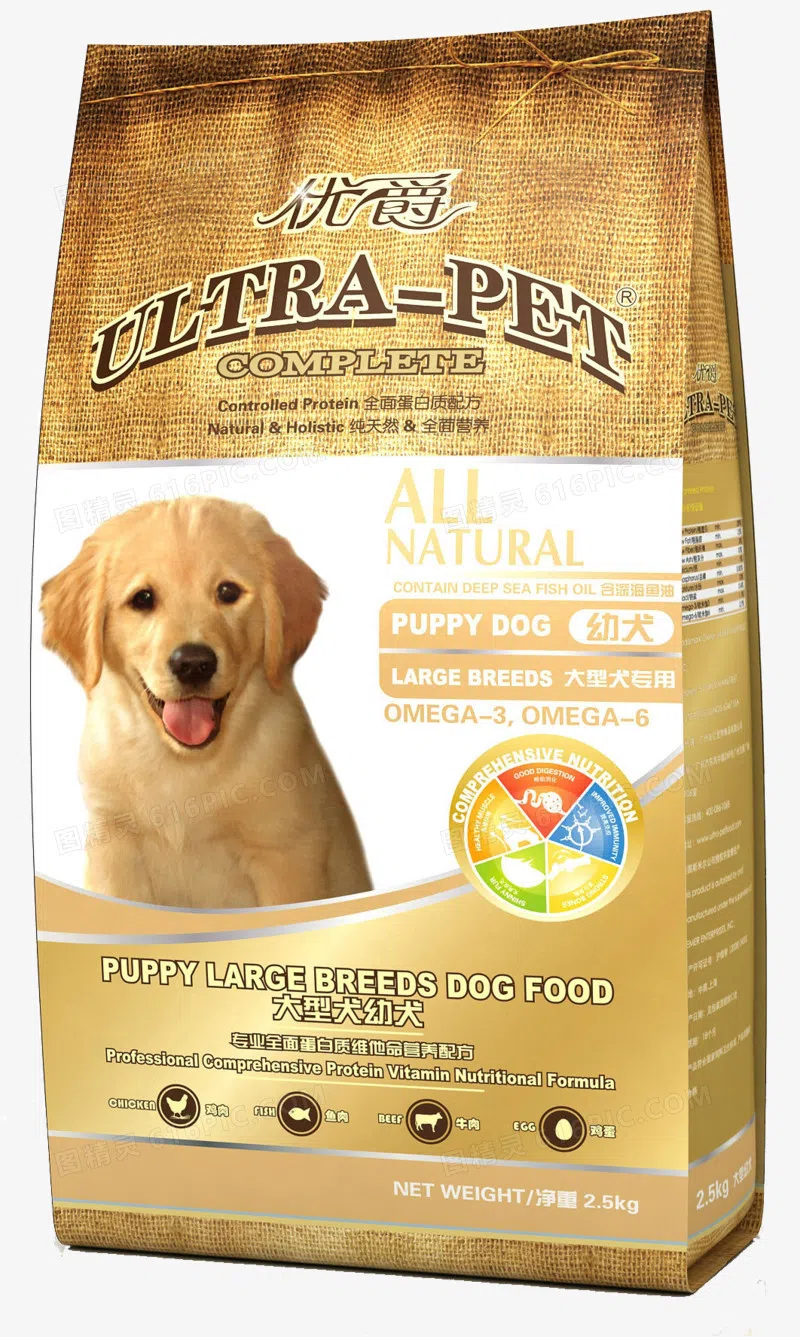
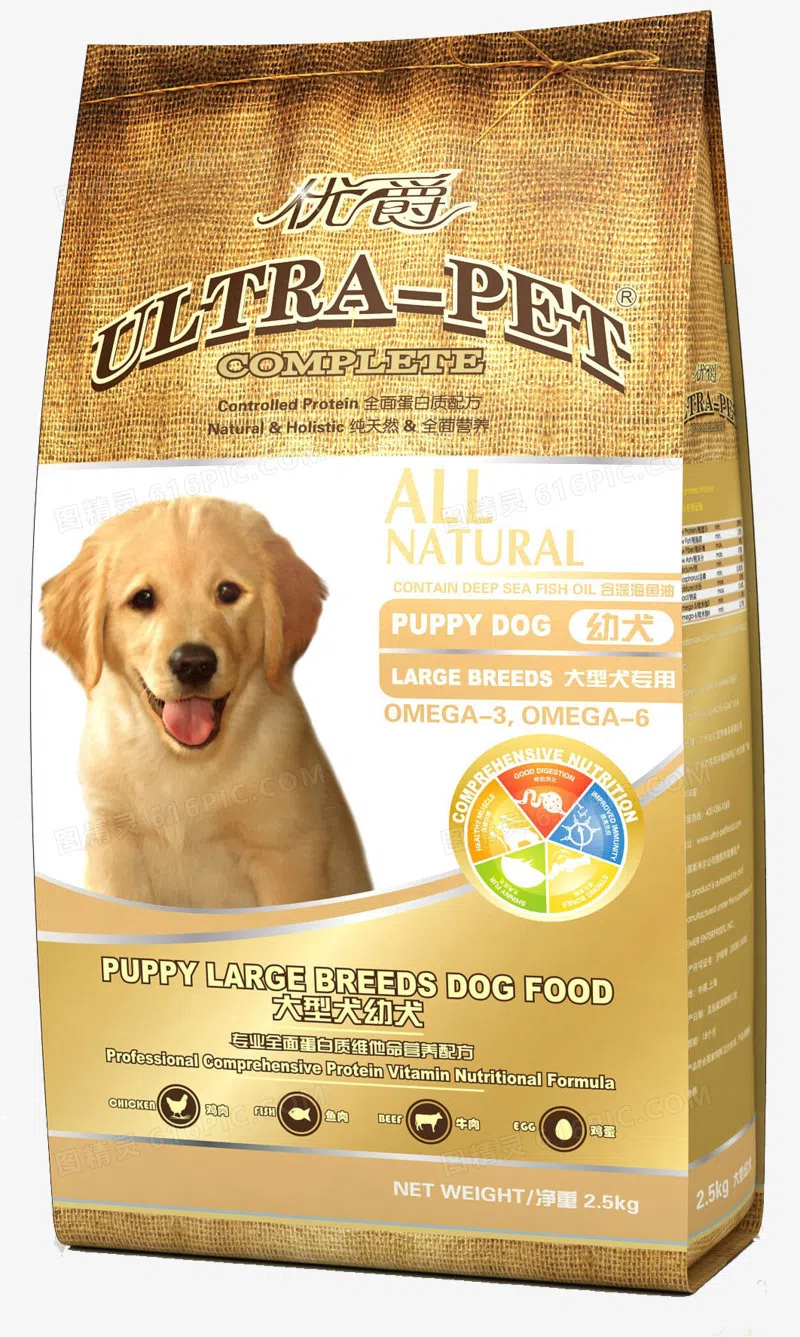
On the retail shelf, a dog food bag has a few seconds to earn trust. The photograph has to look alive. The brand color has to match last month's shipment. The nutritional panel has to stay crisp. For converters serving premium pet brands, that standard is non-negotiable—and it has to hold when SKUs multiply and runs get shorter.
That was the tension inside PawPack Packaging Co., Ltd., a Thailand-based flexible packaging manufacturer (illustrative customer profile) producing bags and pouches for regional and export pet food labels. Growth was welcome. The print floor was feeling the strain.
The pressure
Four forces pulling the press floor in opposite directions
Brand owners wanted richer graphics. Sales wanted more SKUs. Finance wanted less waste. Production wanted speed. On BOPP, PET, PE, and laminated webs, those goals rarely move together unless the process is rebuilt around them.
01
Shelf-critical graphics
Pet photography, brand colors, ingredient lists, QR codes, and barcodes—any drift shows up as a customer complaint.
02
SKU explosion
Sizes, flavors, seasonal launches, and private labels meant artwork changes that ate shifts and burned film on setup.
03
Speed vs. register
Pushing meters per minute often cost registration stability—especially on stretch-sensitive and laminated structures.
04
Cost of waste
Substrates and specialty inks kept rising. Startup waste was no longer a soft cost—it was a margin problem.
“We were winning more brands, then spending half the night getting the next job into register. The problem wasn't ambition—it was the gap between what the artwork demanded and what the floor could repeat.”
— Production Manager, PawPack Packaging (illustrative attribution)
Evidence on film
What the samples had to prove
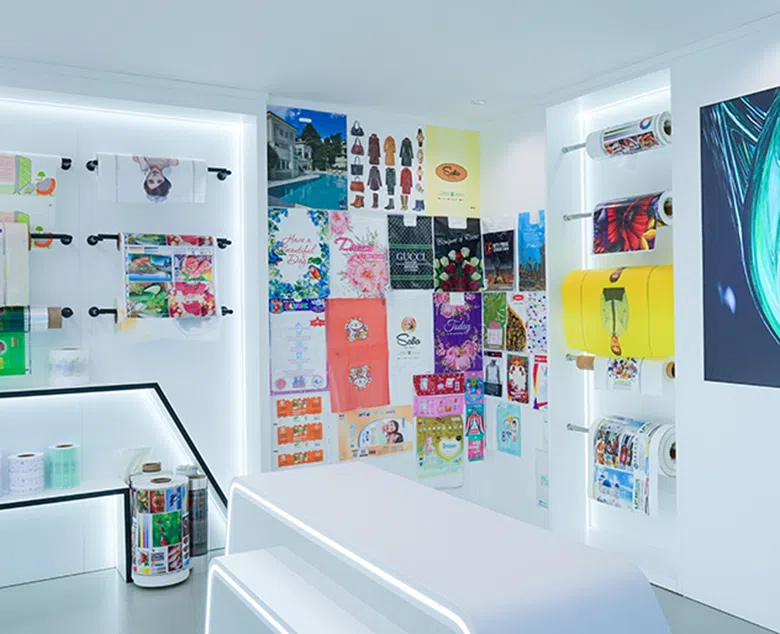
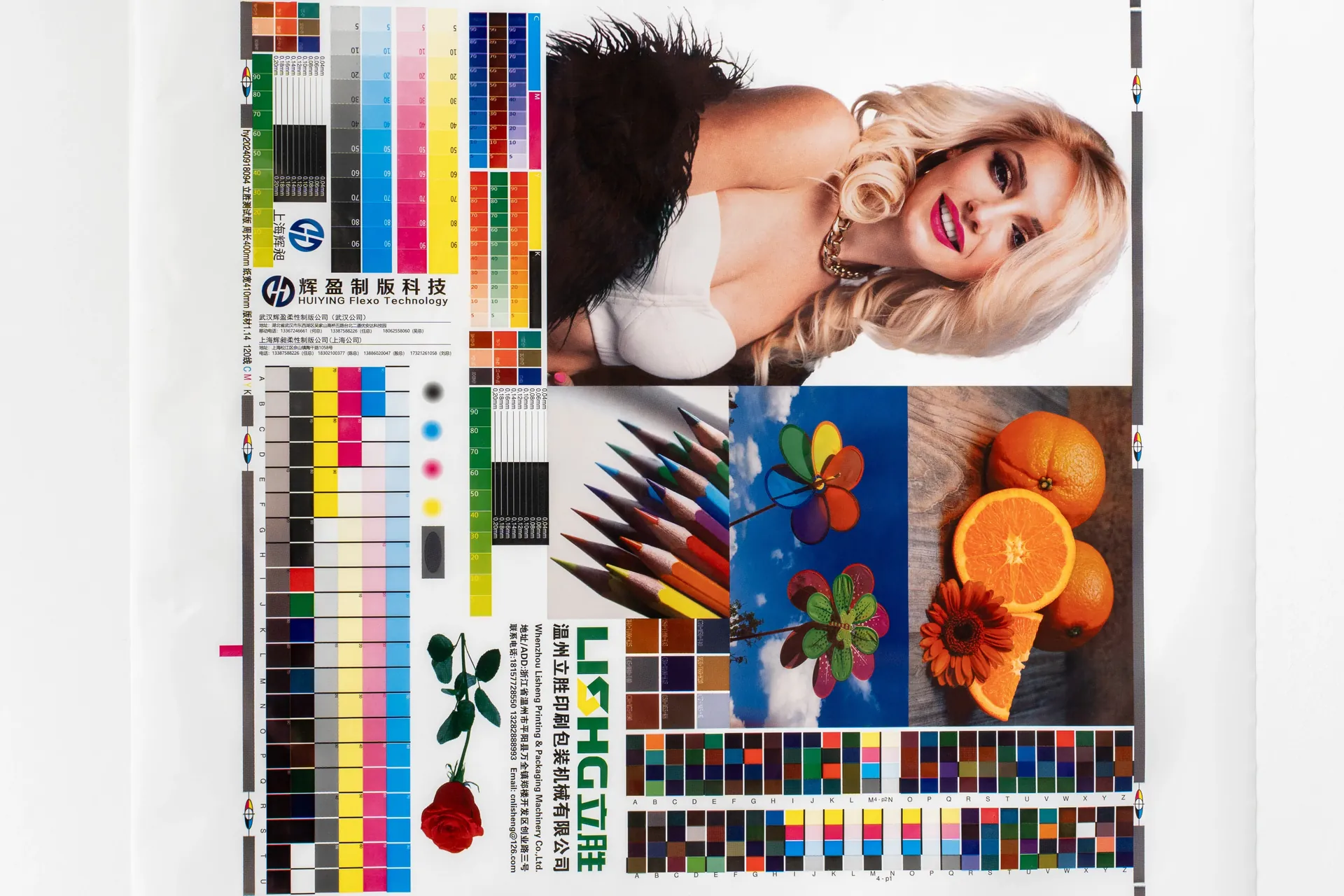
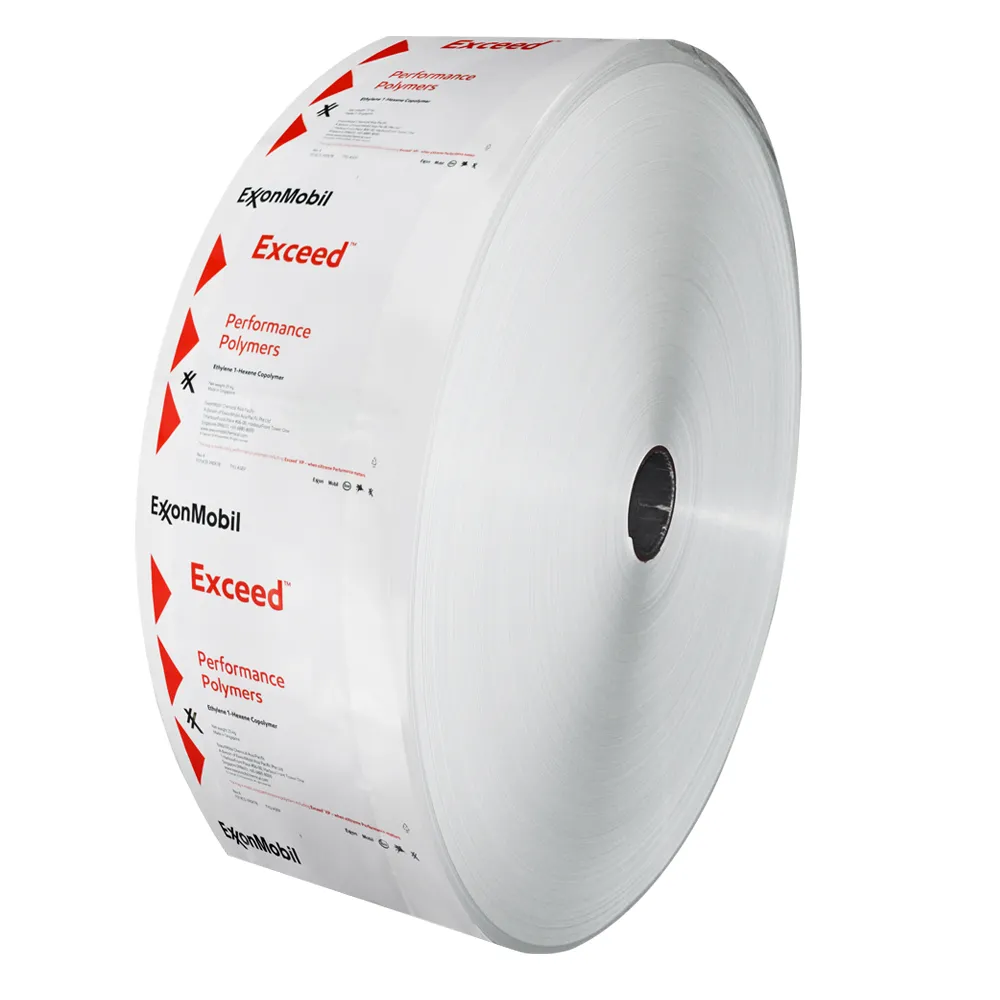
Before commercial production, the team printed on the customer's real materials—checking color hold, adhesion, and how the print would behave after lamination and pouch making.
How they fixed it
A production redesign—not a machine brochure moment
LISHG sat with PawPack's technical team and mapped the real work: bag constructions, artwork complexity, substrate mix, and how jobs moved from plate room to pouch line. The press choice—the King Series 8 Color High Performance CI Flexo—was the foundation, not the entire story.
Together they rebuilt changeovers around quicker sleeve work and saved job settings, so operators could leave one flavor pack and enter the next without re-earning registration from scratch. They tightened web stability so startup waste fell and downstream lamination stopped inheriting print-side problems. And they validated the process on live customer materials—plates, anilox, inks, drying, tension, adhesion, sealing, scratch—before the first commercial order.
The result on the shelf was quieter but more important: packs that looked intentional, runs that finished on time, and a floor that could say yes to short-run brand work without panic.
Before → After
What the floor felt like afterward
Measured results
Numbers the business could take to the board
Today the plant runs premium pet packaging for domestic and export brands with more predictable quality, fewer late nights on setup, and a clearer path to take on the next SKU wave.
Why it worked
Partnership beat installation
The project succeeded because print quality, changeover speed, and waste were treated as one system—application analysis, sample testing, process settings, and operator training moved together. That is how PawPack strengthened its position in a competitive pet packaging market while leaving room to grow.
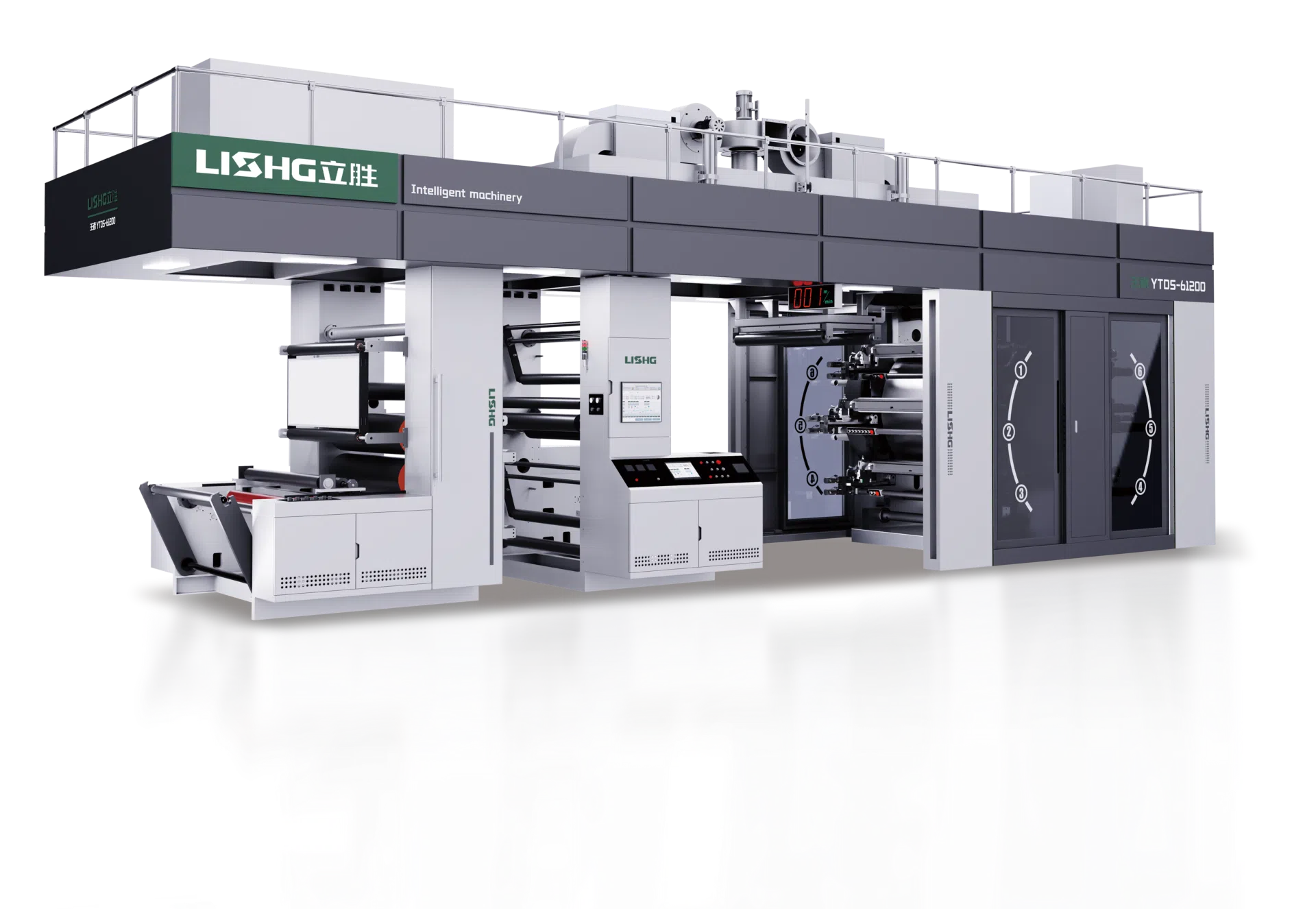
Equipment used in this project
King Series 8 Color High Performance CI Flexographic Printing Machine
FAQ
Questions converters usually ask
What business results did this project deliver?
In this illustrative success story: +35% productivity, −42% material waste, −50% changeover time, registration around ±0.08 mm, and roughly 16-month payback from efficiency and lower operating cost.
Why is print consistency so hard on pet food packaging?
Premium packs combine photography, brand color, small regulatory text, and codes on films that may stretch or laminate later. Consistency is a process problem as much as a press problem.
Which press supported this line?
The King Series 8 Color High Performance CI Flexo—selected after matching substrates, artwork, and workflow, then validated with sample printing.
Facing the same tension on your pet packaging line?
Tell us about your bag formats, film mix, and how often jobs change. We will map a practical path—process first, press second.
Talk to engineering AI Press Selector
Continue: Pet packaging overview · Buyer guide · King Series
Customer voice
“The customer needed to improve the efficiency and consistency of dog food and cat food packaging printing while managing a growing number of SKUs. Frequent artwork changes caused long setup times and high material waste, while maintaining consistent color reproduction and precise registration on BOPP, PET, and PE packaging films remained challenging. The customer required a printing solution that could deliver premium-quality pet food packaging with higher productivity, lower waste, and stable performance for both short-run customized orders and large-volume production”
Recommended machine logic
King Series
Based on your profile: Pet Food & Pet Care Packaging · Film, BOPP, PET, PE · 1000–1300mm · 350m/min
King Series is the strongest fit for Pet Food & Pet Care Packaging because Best fit when the plant runs high-speed film jobs and needs reliable register control, fast ramp-up, and strong production stability. At your target speed of 350m/min, this platform keeps register stable, startup waste low, and changeovers practical for repeat jobs.
You selected Film, BOPP, PET, PE. King Series is engineered for thin film, BOPP, PET, PE. Core substrate window: thin film, BOPP, PET, PE. This reduces tension surprises and ink-transfer issues on your primary material.
Width target 1000–1300mm and speed 350m/min sit inside the King Series envelope (1000-1300mm, 300m/min). Budget Mid to high range and High automation align with very high-automation workflows at this output level.
Key advantages: Servo gear precision; low startup waste; strong register at speed. Tradeoff to confirm: Higher initial investment than Master or Honor, and not the primary choice for FFS heavy-duty sacks. If your mix shifts toward ultra-thin film at 400–500 m/min, compare with another LISHG line before finalizing.
Pick press family, then sub-series model.
Compare allBest fit when the plant runs high-speed film jobs and needs reliable register control, fast ramp-up, and strong production stability.
Discuss a similar project
Share your substrate, width, and speed targets with our engineering team.
Contact Desk